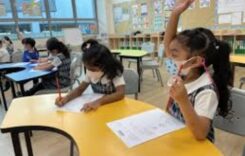
For many families, choosing the right education pathway is not a one-time decision—it’s a long-term journey that begins in the earliest years of a child’s life and continues through to graduation. Increasingly, parents are looking for continuity, stability, and a consistent set of values when selecting both early learning environments and later schooling options.
This shift has led to a growing interest in education pathways that offer a connected experience from early childhood through to senior years.
Starting Strong in the Early Years
The foundation of a child’s development begins well before formal schooling. Early learning environments play a crucial role in shaping social skills, emotional confidence, and curiosity for learning.
High-quality centres focus on:
- Play-based learning approaches
- Individualised care and attention
- Safe and nurturing environments
- Early literacy and numeracy development
For parents exploring options, services like daycare Sunshine Coast provide insight into how structured early education can prepare children not just academically, but socially and emotionally for the years ahead.
Building Confidence Through Continuity
One of the biggest challenges families face is transitioning between different stages of education. Moving from early learning into primary school—and later into high school—can be disruptive if environments, expectations, and values differ significantly.
A connected education pathway helps reduce this friction by:
- Maintaining consistent teaching philosophies
- Creating familiar environments and routines
- Supporting long-term relationships within the community
This sense of continuity allows children to build confidence as they grow, rather than constantly adapting to new systems.
What Parents Look for in Later Years
As children progress into their teenage years, priorities begin to shift. While care and nurturing remain important, families also place greater emphasis on academic outcomes, personal development, and future opportunities.
Many parents researching options such as the best Sunshine Coast high schools are looking for a balanced approach that includes:
- Strong academic performance
- Leadership and character development
- Co-curricular opportunities
- A supportive and values-driven environment
These factors help ensure that students are not only prepared for exams, but also for life beyond school.
Aligning Early Learning With Long-Term Outcomes
What makes a truly effective education journey is alignment between early years learning and later academic pathways. Skills developed in early childhood—such as communication, problem-solving, and resilience—form the building blocks for success in secondary education.
When these stages are connected, children benefit from:
- A smoother academic progression
- Stronger social and emotional foundations
- Greater confidence in new challenges
This alignment also gives parents peace of mind, knowing their child’s development is being supported consistently over time.
A Holistic Approach to Growth
Modern education is no longer just about academics. Families are increasingly seeking environments that nurture the whole child—intellectually, emotionally, socially, and ethically.
From early learning centres to senior schooling, the most effective education pathways are those that:
- Encourage curiosity and creativity
- Foster strong relationships and community
- Support wellbeing alongside achievement
Looking Ahead
As expectations around education continue to evolve, the demand for integrated, long-term learning pathways will only grow. Families want more than isolated experiences—they want a cohesive journey that supports their child at every stage.
By focusing on continuity, strong foundations, and balanced development, education providers can create meaningful experiences that not only attract families, but also retain them for years to come.